The collection of the museum in Licheń
The collections of the Fr. Joseph Jarzębowski MIC Museum in Licheń Stary number several thousand exhibits and include objects from various historical eras and many thematic sections.
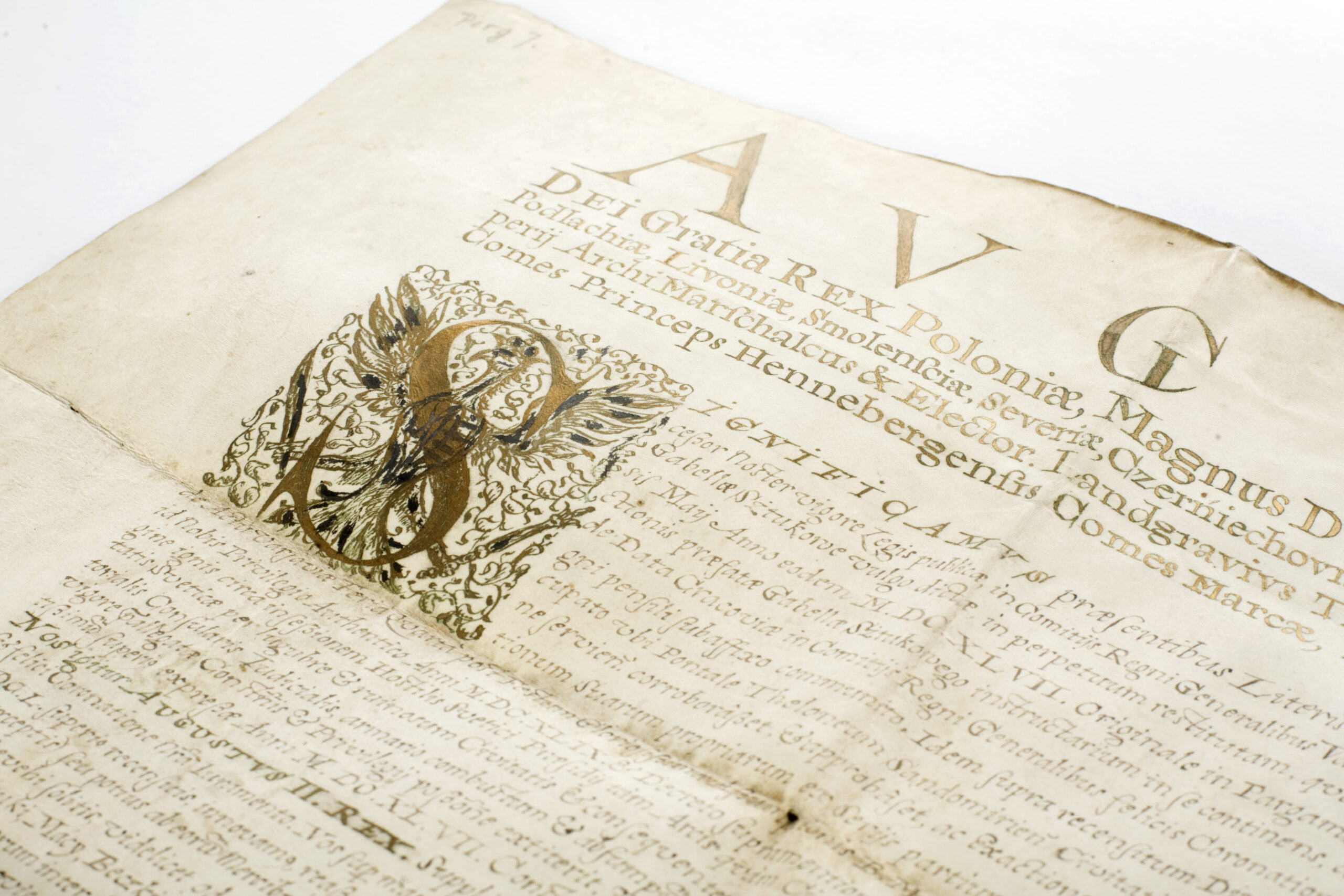
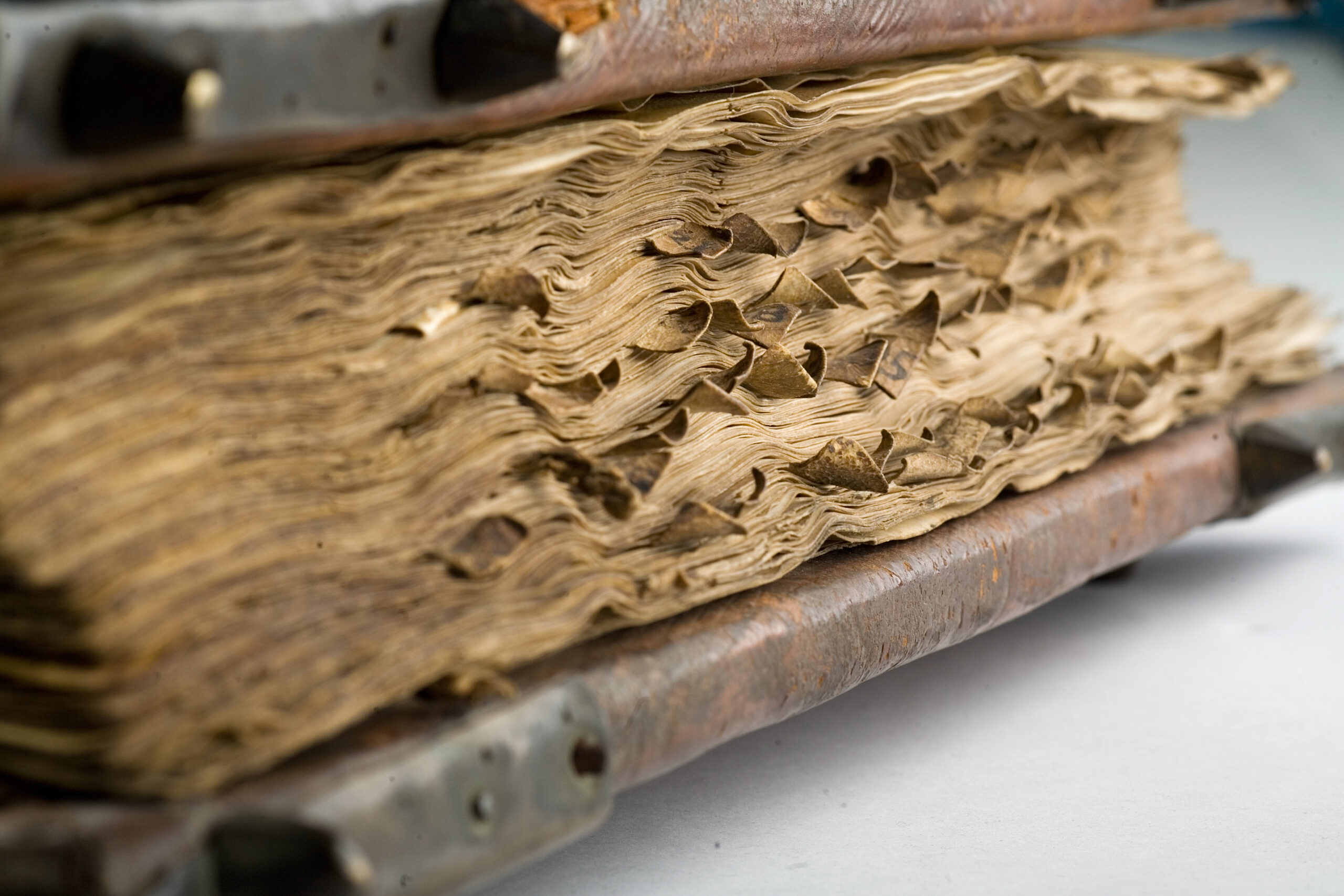
A special place in the collection is occupied by prints - from incunabula to a rich collection of publications from the 16th-19th centuries. Among the most valuable items are Statutes of Jan Łaski (1506), the Leopolita Bible (1561), the Bible of Brest (1563), the Bible of Jakub Wujek (1599), and the Life of St. Stanislaus the Bishop of Cracow by Jan Długosz (1511). The collection also includes royal documents - from Wladyslaw III Varnañczyk (1436) to Stanislaw August Poniatowski. Also noteworthy is a collection of papal bulls - from the pontificate of Julius II (1503-1513) to Pius VII (1800-1823).
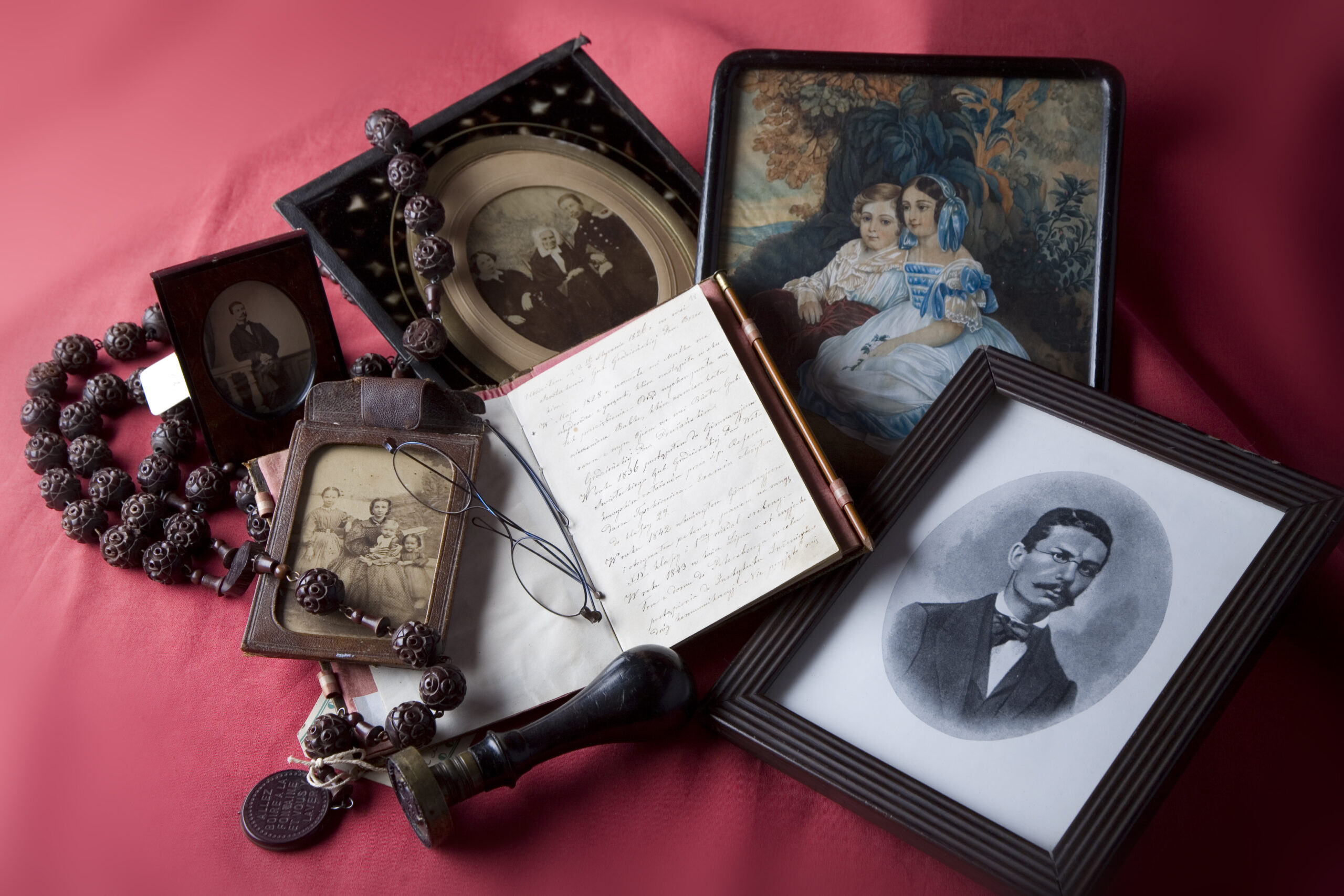
The museum also stores valuable memorabilia related to figures of merit in Polish history - national heroes, clergymen, poets and writers. Among them are autographs, letters, dedications and personal items belonging to, among others: Tadeusz Kosciuszko, Jozef Poniatowski, General Jozef Haller, Romuald Traugutt, General Wladyslaw Anders, General Nikodem Sulik, Adam Mickiewicz, Henryk Sienkiewicz, Eliza Orzeszkowa, Maria Konopnicka, Wladyslaw Reymont, Stanislaw Wyspianski, Cyprian Kamil Norwid, Jozef Ignacy Kraszewski and Zygmunt Krasinski. An important part of the collection consists of pamphlet prints and periodicals from the period of the national uprisings of the 19th century - many of them are unique copies.
The collection also includes drawings, watercolors and prints by European artists from the 16th to 20th centuries. Particularly noteworthy are works by such artists as Jan Matejko, Henryk Siemiradzki, Józef Brandt, Juliusz Kossak, Rembrandt, Stefano della Bella, Daniel Chodowiecki and Jan Piotr Norblin.
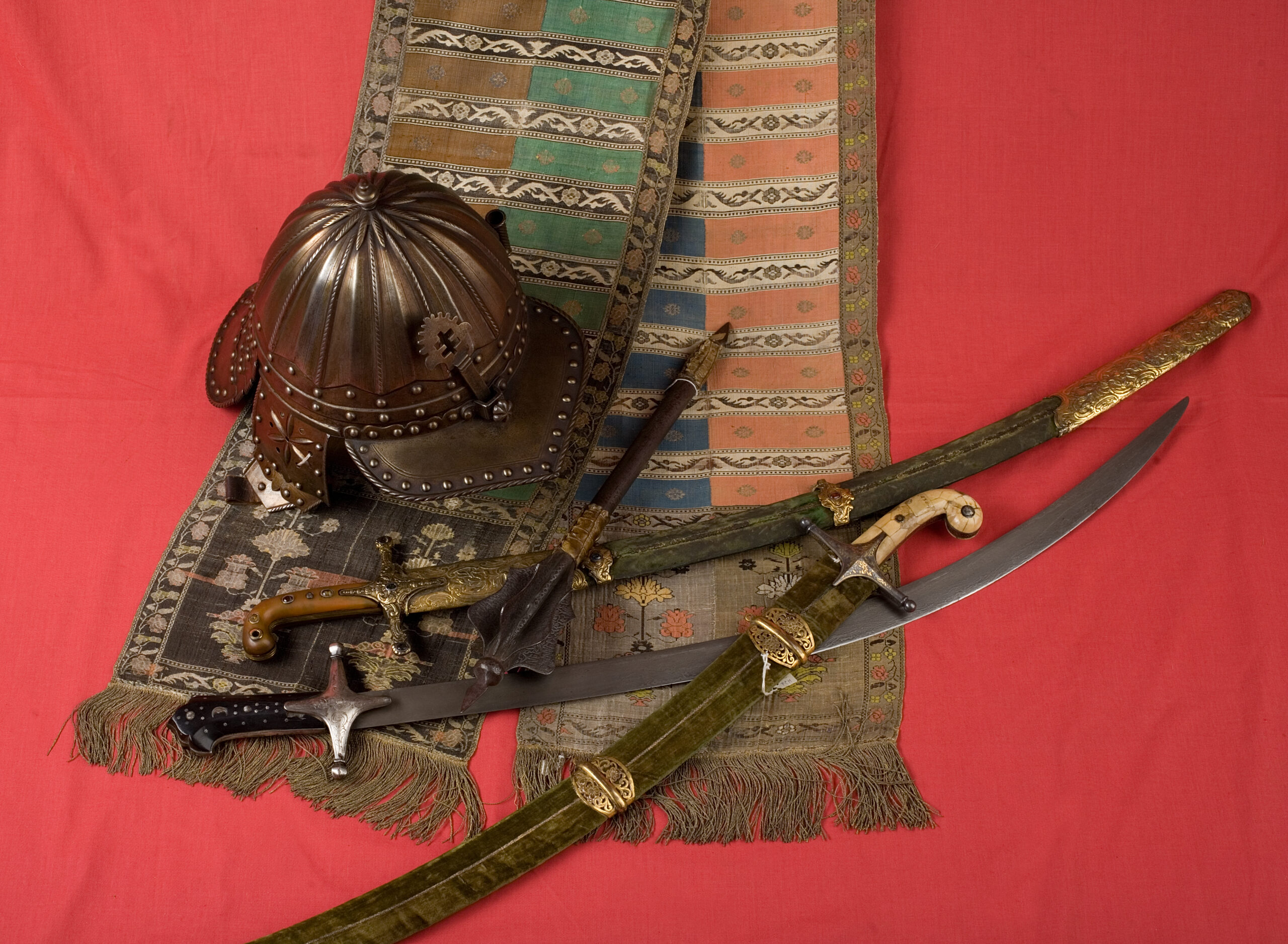
Muzeum posiada bogaty zbiór pamiątek związanych z ważnymi wydarzeniami historycznymi: Konstytucją 3 Maja, Powstaniem Kościuszkowskim, Księstwem Warszawskim, powstaniem listopadowym i styczniowym, I wojną światową, wojną polsko-bolszewicką 1920 roku, okresem międzywojennym, a także z czasem okupacji hitlerowskiej i sowieckiej oraz walką Polaków o niepodległość w latach 1939–1945 i 1945–1989. Jednym z ważniejszych działów kolekcji jest bogaty zbiór broni białej – polskiej, europejskiej i wschodniej – z okresu od XVI do XIX wieku, liczący kilkaset egzemplarzy.