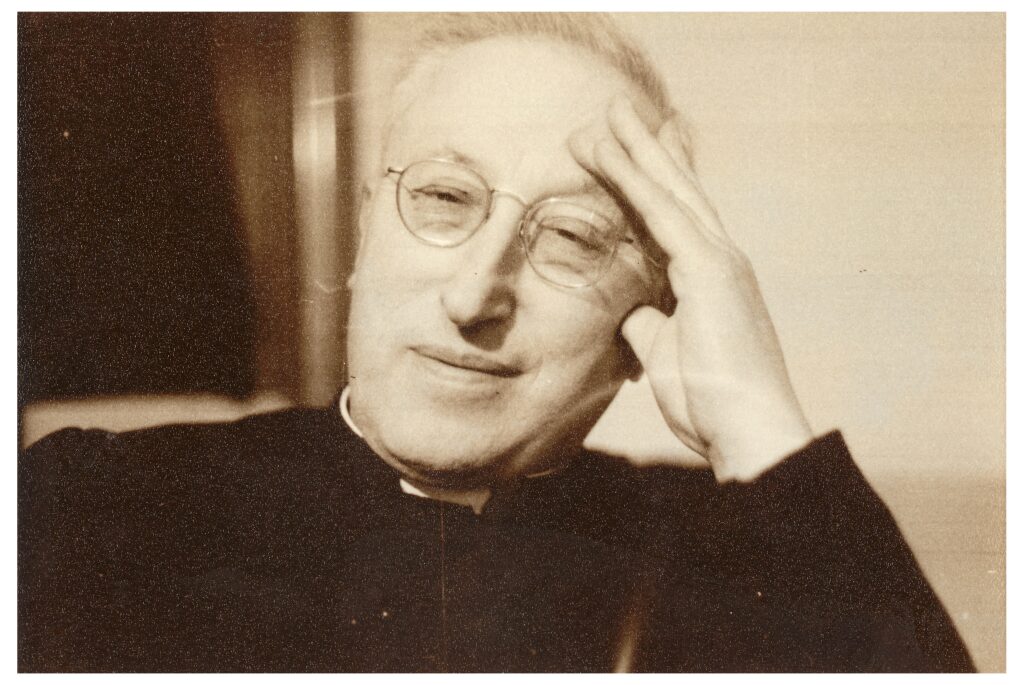
Rev. Joseph Jarzębowski
Rev. Jozef Jarzębowski is easy to find in any of the surviving photographs. His extraordinary height (two meters) made his silhouette rise above the heads of others. It is to his passion for collecting, love of his homeland and dedication to his work as an educator that we owe the collection of national memorabilia that makes up the collection of the museum named after him in Licheń. Summing up his life himself, he wrote that "it came to him to collect Polish children and national memorabilia around the world."
With a wolf ticket
Rev. Jozef Jarzębowski was born on November 27, 1897 in Warsaw. His childhood was not easy: first his siblings died, and when he was only six years old his father died. Franciszka Jarzębowska (1868-1941) then moved with her son to Nowe Miasto on the Pilica River. Here, in the New Town monastery, Józio came into contact with Capuchin Felix Sadowski (1834-1916) - confessor to the leaders of the January Uprising, sentenced to death by the Russian invaders.
Fr. Jarzębowski recalled Fr. Felix as follows: - It was he who, in the privacy of the monastic garden, initiated me into the great mystery of the gallows on the Slope [of the Warsaw Citadel].: remember they were holy people, my boy. Remembered.
The patriotic spirit also prevailed in the family home. Thanks to his grandfather Franciszek Ablewicz, who was exiled to Siberia for his participation in the 1863 uprising, the memory of the January Uprising was still alive.
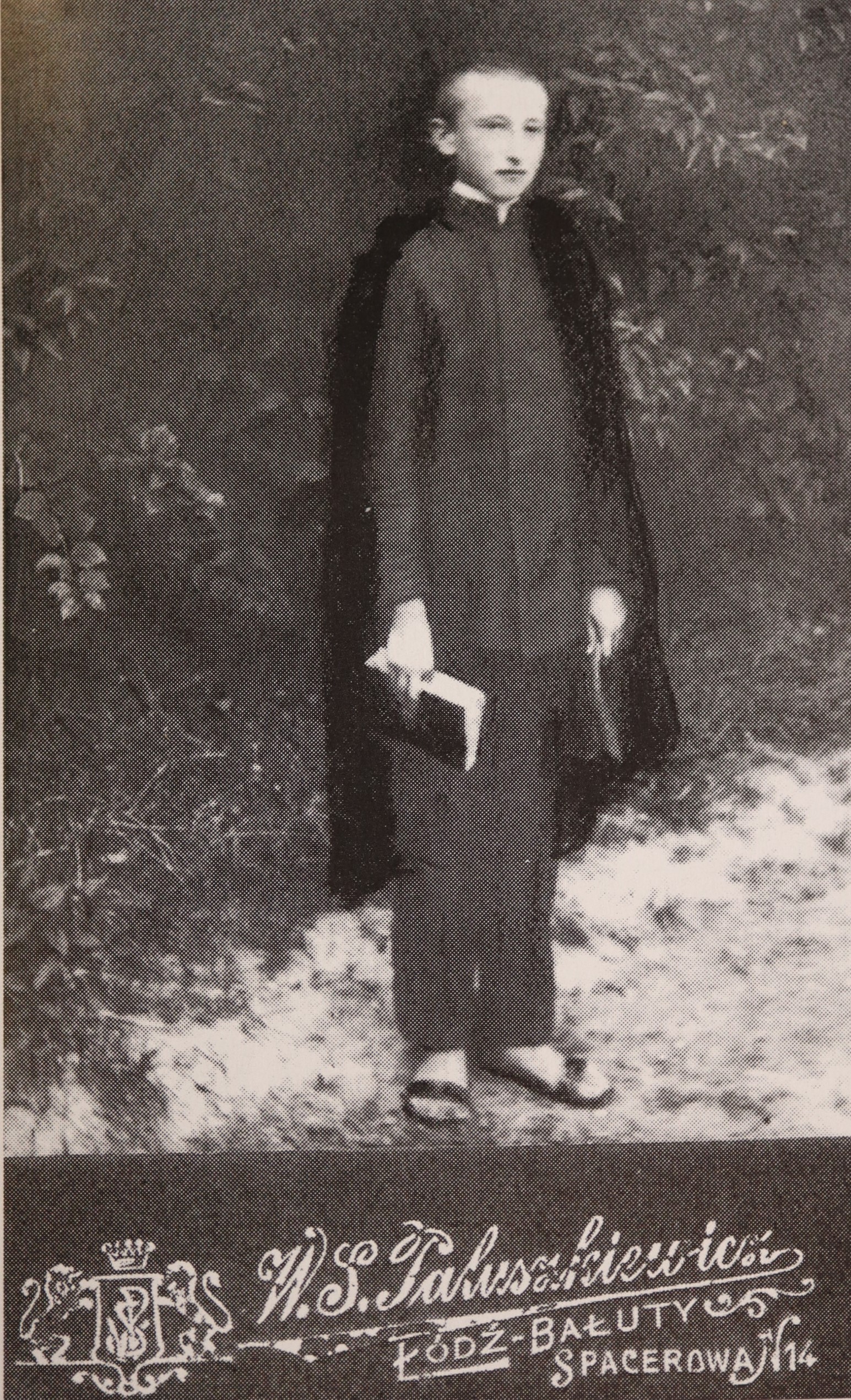
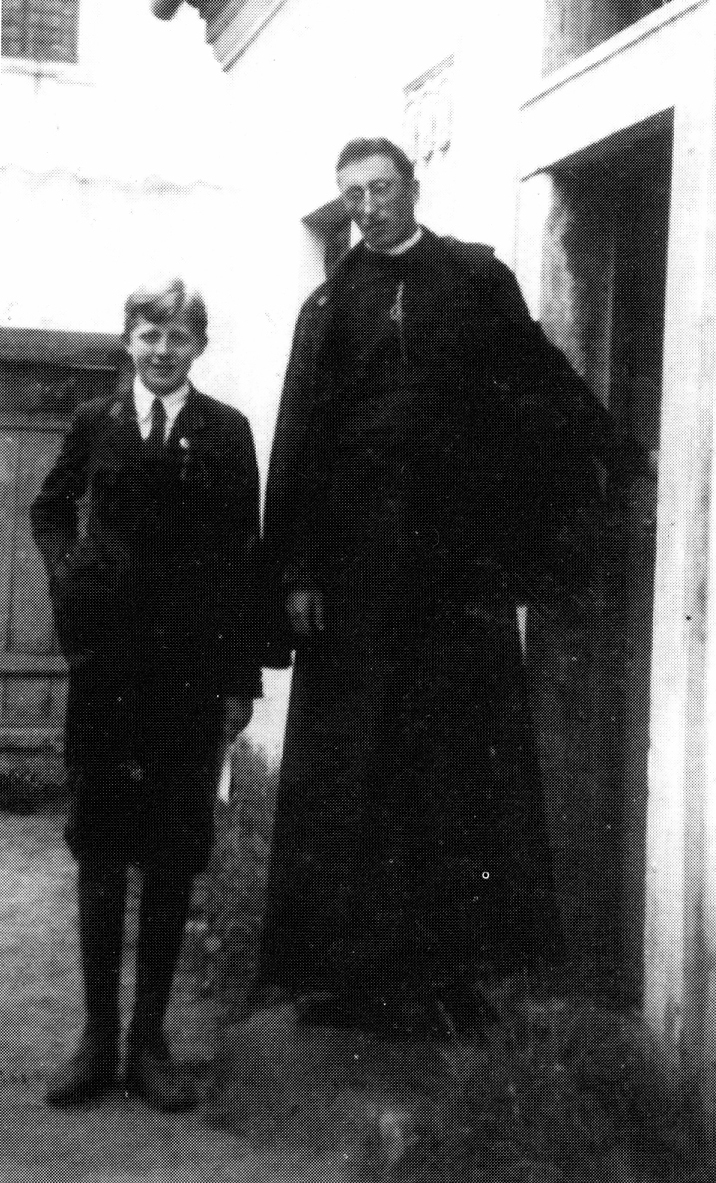
At the Russian school, "Long Jozio," as Jarzębowski was called, got into trouble - for defending Polishness, he was expelled from school with a "wolf ticket" and this meant being denied admission to any school in the Russian Empire. With help came the Capuchin fathers, who helped him make his way to the Austrian partition, to the school of the Salesian priests in Auschwitz.
Gdy nadeszła I wojna światowa Józef powrócił do Warszawy. Czy to za sprawą modlitw mamy, która poważnie chorującego syna „ofiarowała na służbę Bogu”, czy za sprawą potrzeby serca trafia on do duszpasterstwa młodzieży w kościele przy ul. Moniuszki. Tam właśnie zaprzyjaźnił się z Leonem Kulwieciem (1880-1919) marianinem w ukryciu. To za jego przykładem w 1916 r. wstępuje do Sodalicji Mariańskiej. W tym samym roku zdaje też egzamin do szóstej klasy gimnazjum im. Jana Zamoyskiego w Warszawie i wraca do przerwanej nauki.
The beginnings of religious life
In the Sodality, he meets, among others, Father Jerzy Matulewicz [Jurgis Matulevičius] (1871-1927) the general superior of the Congregation of Marian Fathers (beatified in 1987). It was Matulewicz who in 1909 led the revival of the indigenously Polish Congregation of Marian Fathers, which had been condemned to extinction by the Russians. Jozef Jarzębowski had a deep devotion to Mary, whom, following the example of Stanislaus Kostka, he recognized as his Mother. He wanted to join an order indigenous to Poland and dedicated to the honor of the Mother of God. On the advice of Blessed Honorat Koźmiński (1829-1916), he chose the Marians. He began his novitiate on August 15, 1917.
After the Russians were driven out of Warsaw, the Marians took over the post-Medullion hermitage and former Russian barracks in Warsaw's Bielany district, and it was here that they established the first monastery of the reborn congregation on Polish soil. Hunger reigned and people were decimated by disease. In Bielany the Marians established a shelter for orphans. Fr. Jarzębowski recalled: Fatherhood [Blessed George Matulewicz] was even busier. He took me to Bielany, when I fainted in the spring. He brought potatoes from Warsaw and beds from Pociejow from a Jew for the children. He mocked the fact that he had just graduated from the university for this. (...) He instructed me to write short patriotic poems for children for whistle gifts.
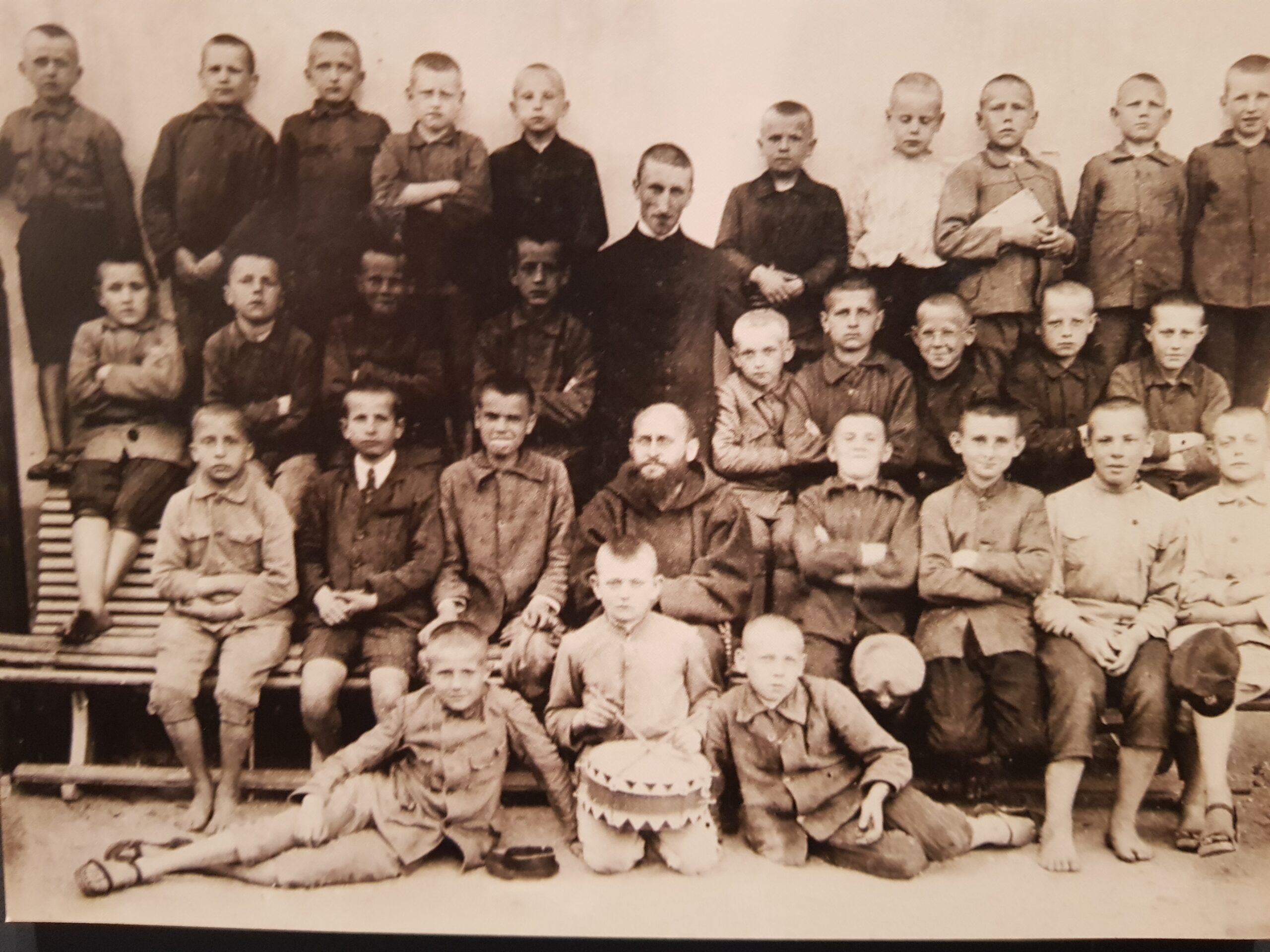
In 1922. Joseph Jarzębowski took his perpetual vows. He was ordained a priest on Sunday, September 23, 1923. Unfortunately, Deacon Jarzębowski did not arrive in time from Bielany to the private chapel of Field Bishop Stanislaw Gall (1865-1942) on Miodowa Street in Warsaw. The ordination did not take place and everything pointed to the fact that it would be postponed for a long time. Joseph, after prayers and religious conferencing, went to Cardinal Aleksander Kakowski (1862-1938) to ask for help. The new date for ordination was set for September 30. In his notes he noted:
(...) I recommended myself to the Mother of God, placed myself in her hands with the request that I be a good priest and serve the Lord with all my soul, despite all the occupations, despite the greyness of my life, despite the internal tribulations and bitterness.
Socialite, teacher, collector
On November 11, 1918, World War I ended. A parade was held on Krakowskie Przedmieście in Warsaw. For the first time in a century, Polish troops marched through the streets of the capital, and schoolchildren and students also walked. "Also walking was Jozef Jarzębowski, a head taller than his colleagues, smiling and joyful. Poland is free, Poland rose to live." In 1919, on behalf of the Catholic organizations of Warsaw, the cleric Jozef welcomed General Jozef Haller (1873-1960), who was arriving from France. The friendship that was born between the "Blue General" and Fr. Jarzębowski lasted until Haller's death. In 1920, seminarian Jozef, along with other seminarians, enlisted in the Polish army to defend Warsaw against the Bolsheviks. They were assigned to the sanitary service and for several weeks bandaged the wounded on barges temporarily converted into hospitals.
After his ordination, in October 1923, Fr. Joseph begins his studies at the Faculty of Humanities at the University of Lublin (now the Catholic University of Lublin). Unfortunately, his health is poor and he often falls ill, his studies are suspended and the student goes to Zakopane to recuperate.
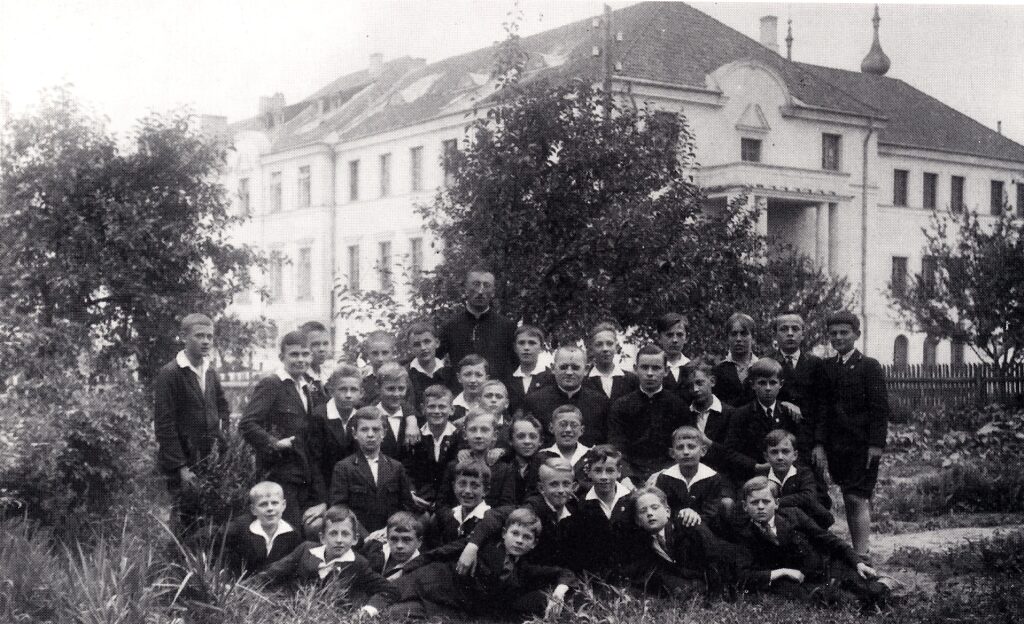
While still a seminarian, Jozef befriended Bronislaw Załuski (1888-1963), who - like him - entered the Marian novitiate in 1916. Religious brother Bronislaw, who had a doctorate in agricultural sciences, was in the future the longtime director of the Bielany Institute of the Marian Fathers in Warsaw. In 1939, 400 students attended this school, most of whom lived in the dormitory. It was at this Institution, in September 1925, that Fr. Jarzębowski began his pedagogical work. The song he wrote in 1918, "Let's unfurl the Blue Banners," became the anthem of the Bielany school (as well as the anthem of the Marian Sodalition).
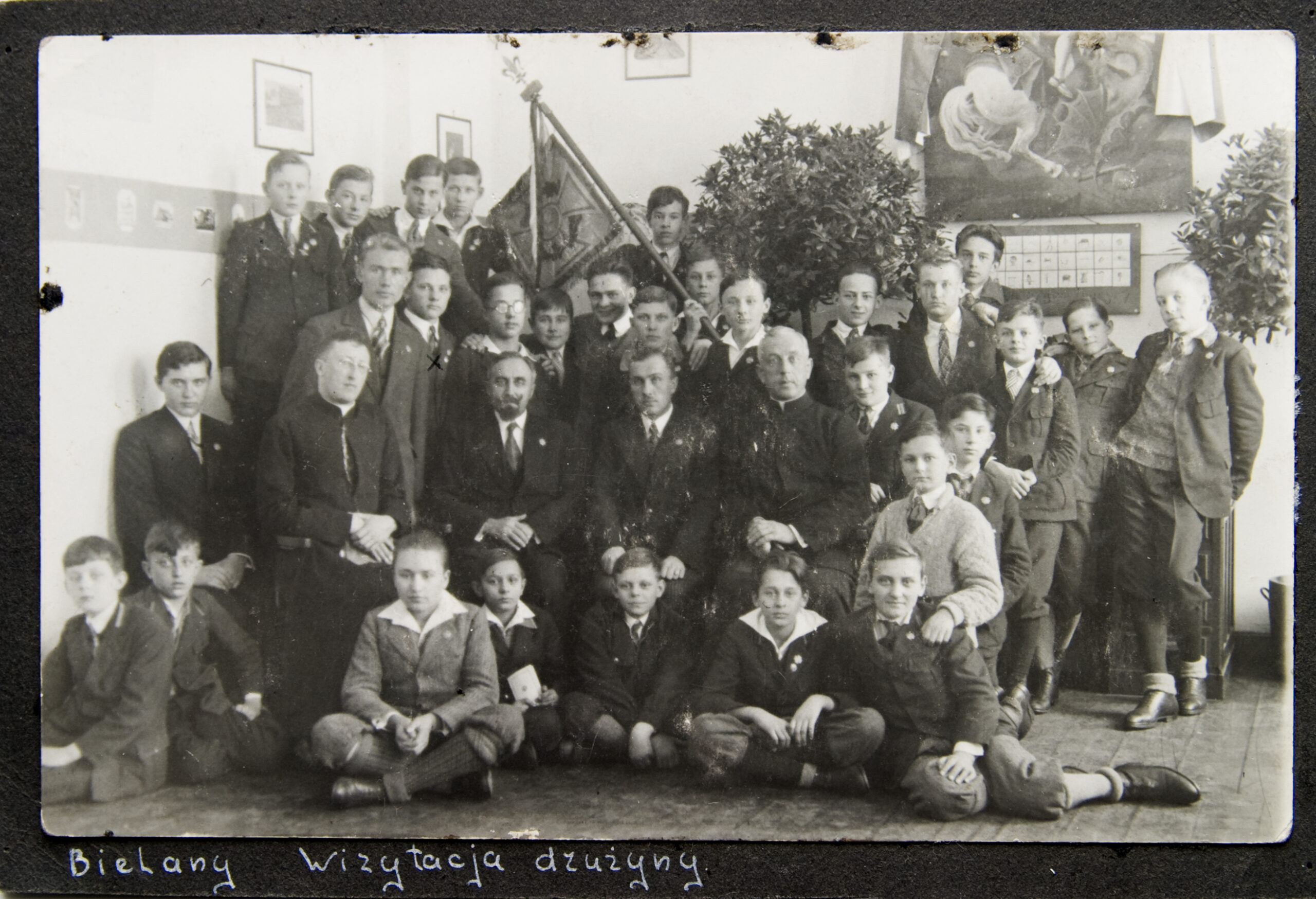
Until the outbreak of World War II, Fr. Jarzębowski taught in Bielany, worked at the boarding school, led a scout troop and organized summer trips with his pupils. He remembered his charges throughout his life - he followed their fates and found them in various places to which fate threw him.
He is also setting up a library in Bielany, collecting memorabilia for a future school museum and organizing exhibitions.
"- The collecting started with some old coins, maps and an autograph of Kazimierz Ujejski." - he recalled years later. He collected with passion, trying to save testimonies of Polish history and art from destruction. However, he collected not only for the sake of collecting - he used national memorabilia as a teaching aid during lessons. Among other things, he collected incunabula, manuscripts and autographs of prominent Poles, historical documents and artifacts illustrating the history of Poland, especially national uprisings. Until 1939, his collection was regarded as one of the most important sources of knowledge about the January Uprising. Bielany also housed most of the books published in Poland and abroad, dedicated to this particular period.
On September 1, 1939, World War II breaks out - the third war in Fr. Jarzębowski's life. On September 6, on the orders of his superiors, like many Warsaw residents, he leaves the city and sets out for the Marian house in Drua (now in Belarus). Eventually, however, he reaches Vilnius, as Lithuania is occupied by the Soviets at the same time. He entrusted part of the museum's collection to friends, but took the most valuable exhibits - including many relating to the January Uprising - with him.
Apostle of Divine Mercy
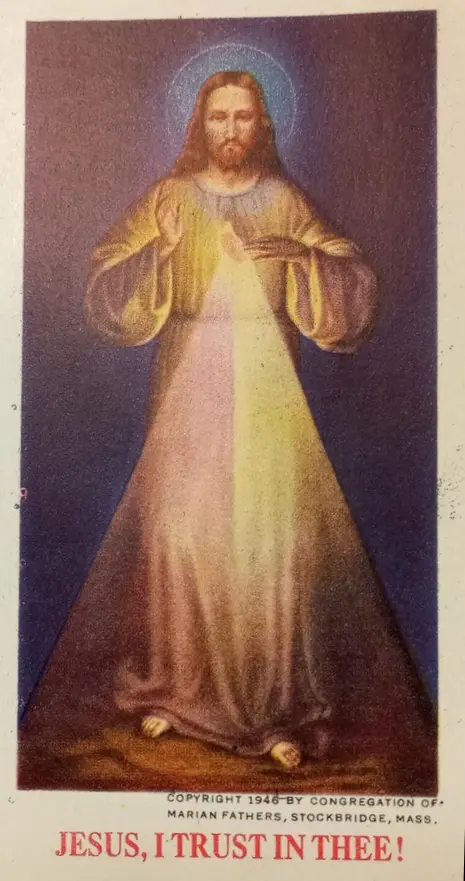
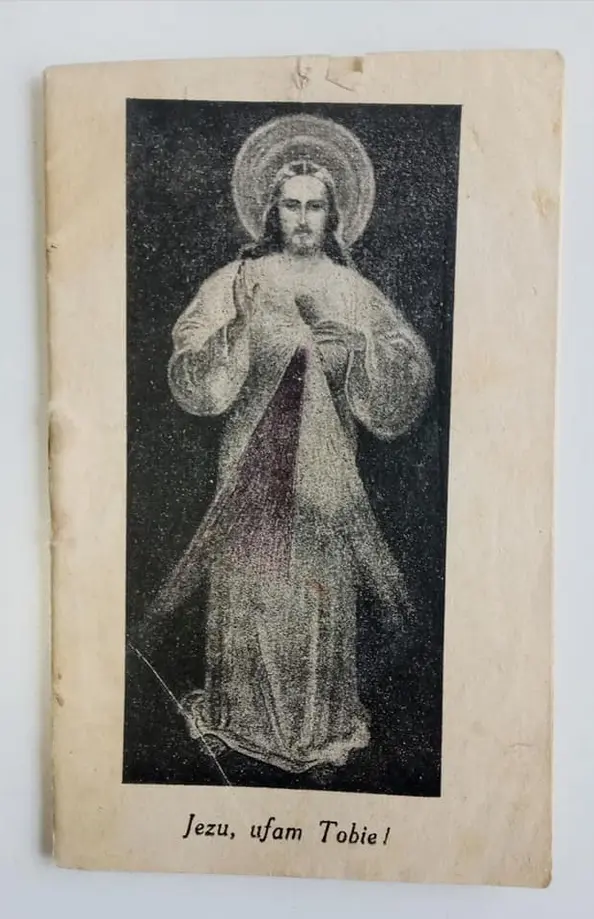
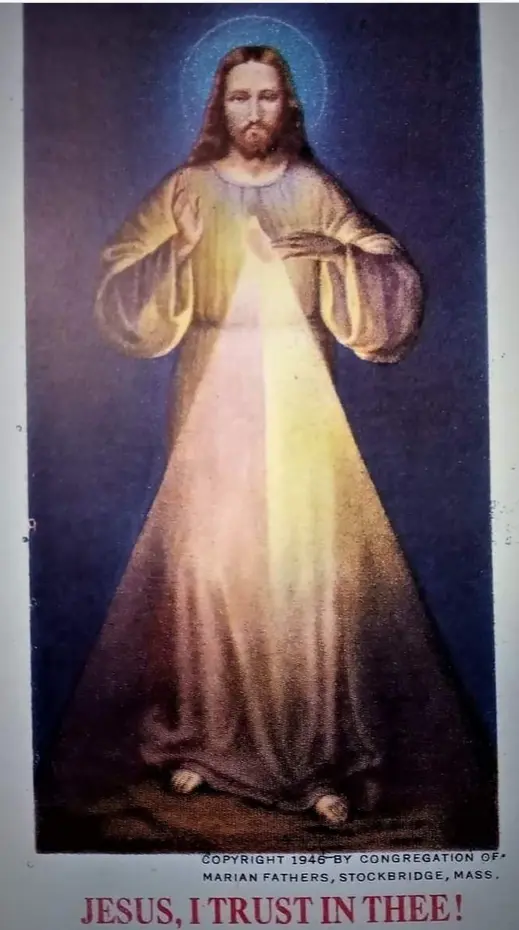
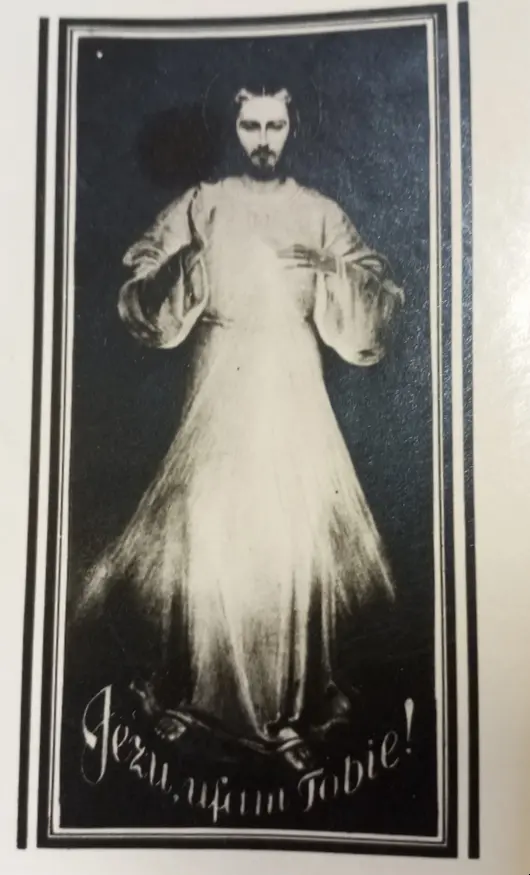
Until the spring of 1940, Fr. Joseph serves pastorally in the camp for interned Poles in Vilkomierz. After the camp is liquidated, he is sent to the Marian house in Marijampolė. However, when the house is closed on July 14, 1940, Fr. Jozef finds himself without a roof over his head. During this difficult time, he seeks salvation in prayer to the Divine Mercy. Early in his stay in Lithuania, he met Fr. Michael Sopoćko (1888-1975), St. Faustina's confessor, who introduced him to the Divine Mercy devotion. Fr. Sopoćko also asked him, if he was able to travel to America, to take with him documentation of Sr. Faustina's apparitions and the Divine Mercy cult.
The painful experience prompts Fr. Jarzębowski to go to Vilnius, where, in St. Michael's Church, before the image of the Merciful Christ, he makes a vow: if he manages to escape the Bolsheviks abroad, he will devote himself to spreading the message of Divine Mercy to the world. Against all odds, on February 26, 1941, he embarks on the Trans-Siberian railroad to Vladivostok, and from there - via Japan - he reaches the United States. It is there that he begins to popularize the novena to the Divine Mercy. Soon the American Marians join this work, and the devotion begins its journey around the world.
Fr. Jarzębowski preached the message of Divine Mercy wherever he went. He also entrusted to God's mercy the college he founded in England after the war - for boys from Polish families in exile.
Fate of the wanderers
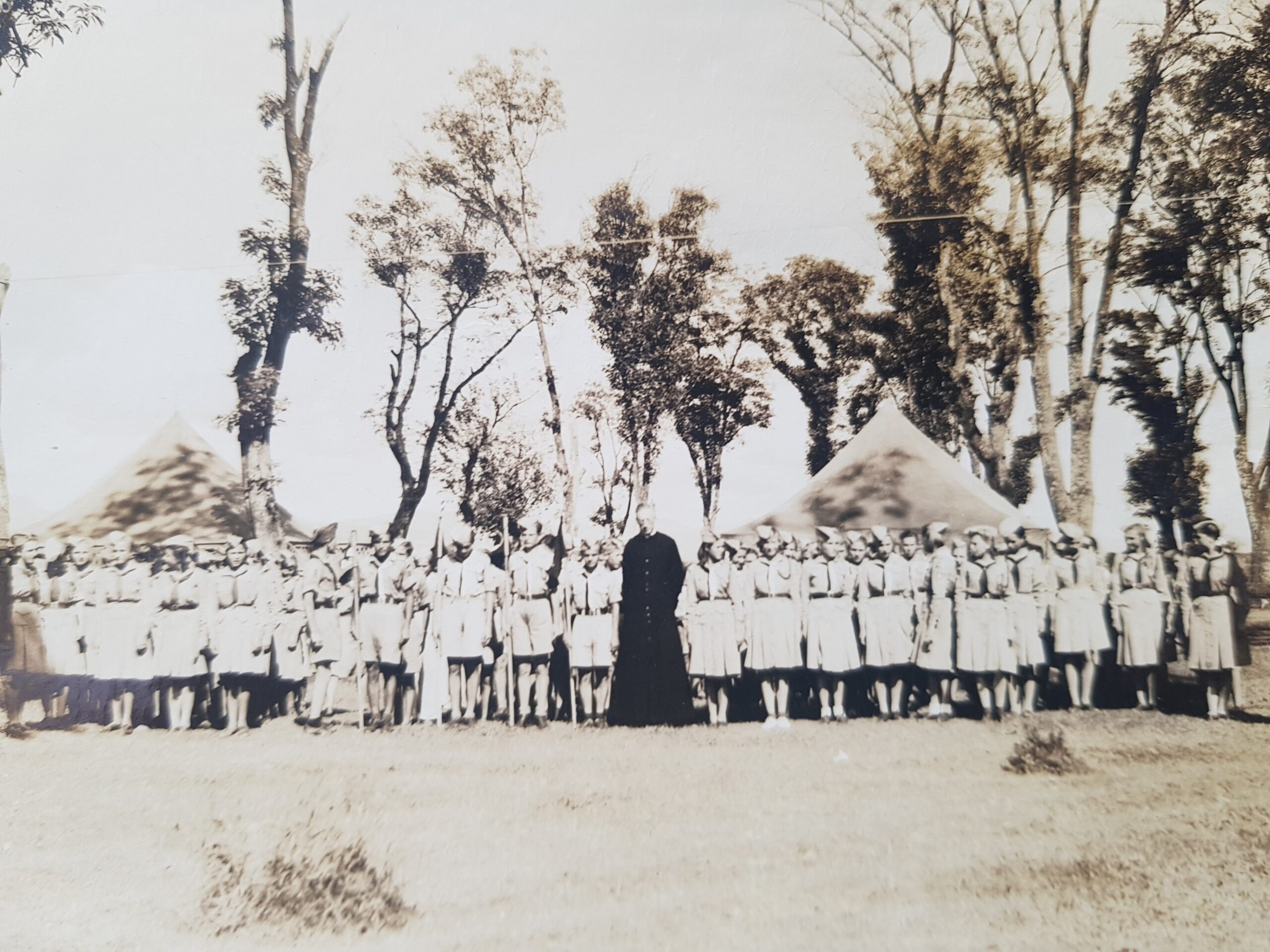
In November 1943, Fr. Joseph arrives in Mexico. In the hacienda near the city of León, about 1.5 thousand Poles found refuge, including 300 children from an orphanage - all survivors of the "inhuman land" who, together with the Anders Army, got out of Soviet Russia. At the Center for Polish Refugees in Santa Rosa, Fr. Jarzębowski worked with full dedication for four years. He served as a chaplain, gymnasium director, teacher, scout leader, and organizer of excursions and pilgrimages.
He spent the next two years working at a shelter for Polish children in Tlalpan (today's Mexico City district). He traveled to the United States, where he preached, led retreats and raised funds for the upkeep of the facility. He also did not abandon his passion for collecting - he visited antique stores, where he found valuable memorabilia related to Polish history, including a saber from the time of the May 3 Constitution.
Bielany on the Thames
On March 31, 1950, Rev. Jozef Jarzębowski set sail from the port of New Orleans, heading for Europe to take up pastoral care among Poles in the British Isles. After World War II, some 200,000 Poles settled in Britain - they were both soldiers who could not return to communist Poland and civilians looking for a new place to live after their wartime wandering.
Through Rome, Monte Cassino, Lourdes and Paris, Fr. Jarzębowski reaches England on June 27, 1950. He is accompanied by 16 crates full of valuable historical memorabilia. He becomes superior and novice master at the newly established Marian priests' house in Lower Bullingham near Hereford. He notes at the time: Arriving in Bullingham and looking around the house, my hands fell... The deadline for buying is expiring. We had to borrow. Well, and as a result, there are ruins, with the beginning of works and debts... We started a novena to the Divine Mercy.
Wokół domu zakonnego zaczyna gromadzić się polska społeczność. Powstaje Sodalicja Mariańska, której moderatorem zostaje ks. Jarzębowski. Angażuje się w duszpasterstwo, głosi rekolekcje i spowiada. Rev. Ernest Chowaniec (1906-1984) recalled:
When there was an Easter confession after the retreat led by Father Joseph at Brompton Oratory in London, there were General Anders, General Kopanski, senior officers, men in their prime standing in a line at Father... Joseph's confessional.
Rev. Joseph often struggles with health problems. He undergoes severe pneumonia, but does not spare himself - he works tirelessly from one illness to another. A boarding school for boys from Polish families is being established, but Fr. Jarzębowski sees the need for something more - a real Polish high school.
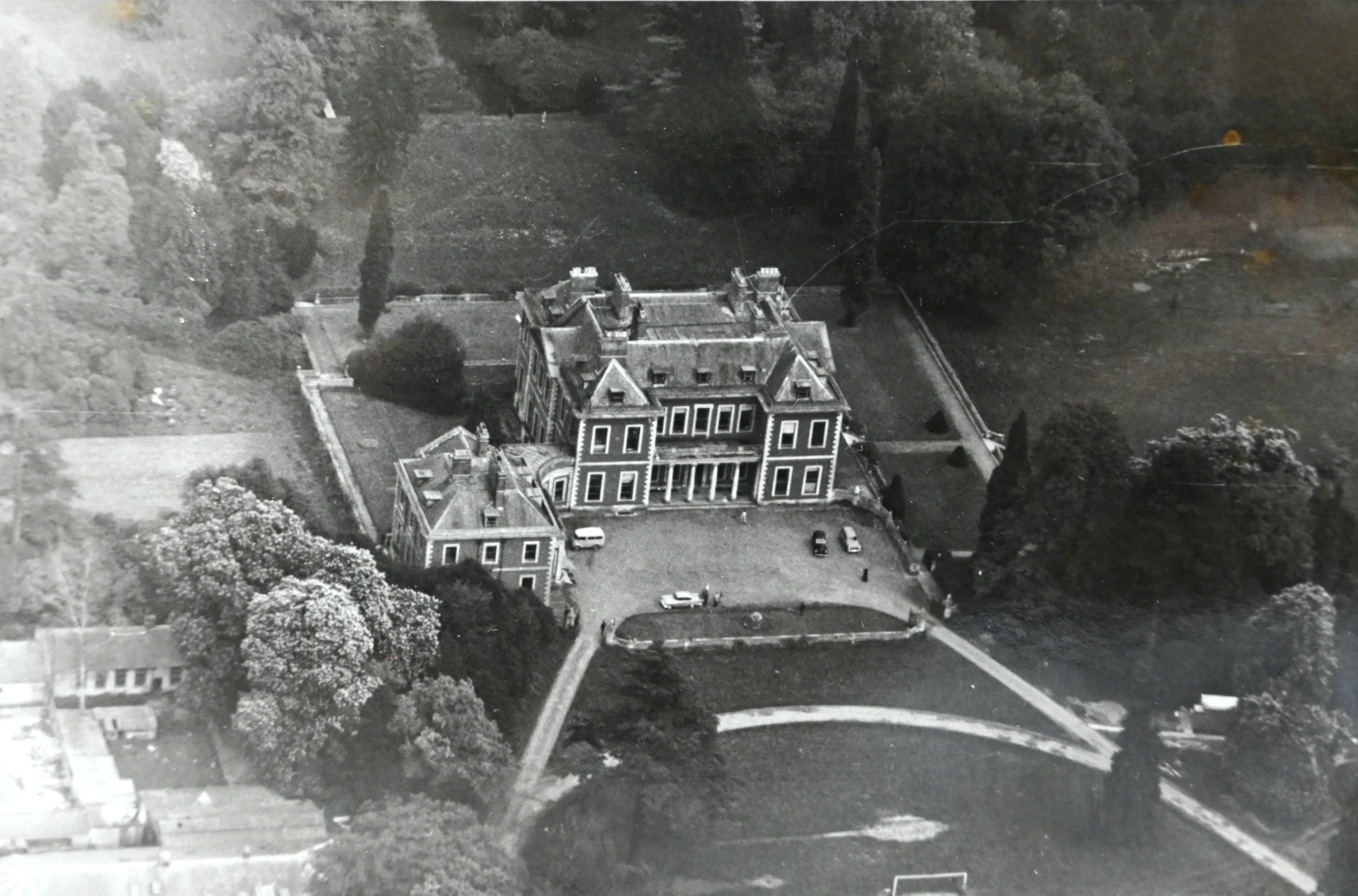
They begin looking for a site for a school that would allow students to earn a British baccalaureate, while teaching Polish language, geography and native history. In 1953, the Marians buy a property in Fawley Court at auction. The palace, designed as a country residence, is neglected and dilapidated, requiring a great deal of work and funds. Fr. Jarzębowski becomes the superior of the new religious house. He has only five Marianists to assist him. Nevertheless, he has a clear vision: to create "Bielany on the Thames."
In the Sunday Gazette of November 15, 1953, Tadeusz Borowicz wrote about his involvement:
For there is in the slim, tall figure of the superior of the Congregation of the Marian Fathers a kind of inexhaustible strength, stubbornness and fierceness. It seems that there is nothing he cannot accomplish, there are no obstacles, there is no undertaking he would not undertake in the name of his beloved educational work....
January 4, 1954 marks the grand opening of Divine Mercy College in Fawley Court. At the beginning there is only one class, with 15 students. The house is empty and cold, but the Polish community in the Islands tries, to the best of its ability, to support the development of the school. Although its maintenance problems will never completely end, by 1986. - when the school finally closed - nearly 1,300 boys had graduated from it.
The construction of a school library and - once again - the creation of a museum also begins. The Marians, expelled from Warsaw's Bielany district, gradually transport the surviving collections of the pre-war museum to England. Fr. Joseph noted in his diary:
A very happy day! Rev. Yakimovich brought back so many of my hidden treasures from Poland. From Skarga and Hosius to Batory and Kosciuszko! There are almost all Traugutiana.
Since that year, for many years, Poles from all over the British Isles have begun to flock to Fawley Court on Pentecost - following the Bielany tradition. There is a mass in Polish, performances by children, exhibitions and meetings. Although far from their homeland - there is at least a little bit of Poland by the Thames on this day. Rev. Jarzębowski, as always, works intensively. He is setting up a school, teaching, preaching retreats for Poles in the British Isles and France.
[W Paryżu] – wspominał – Posiedziałem trochę w Bibliotece Polskiej, potem poznałem antykwariat niejakiego pana Chmieljuka, Ukraińca, gdzie był obszerny dział polski. Natknąłem się na parę osób zacnych, które poszły mi na rękę – no i wróciłem obładowany jak wielbłąd: jest Biblia polska z 1577 r., są pierwsze wydania Mickiewicza i Słowackiego, druki emigracyjne, autografy Poniatowskiego, Traugutta i Leszczyńskiego, sporo sztychów.
In January 1962, Fr. Joseph suffers his first heart attack. After a few weeks, he leaves the hospital and returns to work - in the library, at the museum and at the school. Despite his illness, he still devotes a lot of time to his pupils. In June, the heart disease makes itself known again. He also spends Christmas Eve and Christmas Day in the hospital. In one of his surviving letters, he wrote with humor and sincerity:
Pentecost fever in our house. I'm hobbling around as much as I can, and taking a sip of trinitrin [nitrogliceryna]. Because I feel the effects of this quandary. I dare say that developing our school is growing, despite the difficulties, despite the debts still incurred, despite the not always understood needs and importance of this center, which is not only becoming a school, but also the home of the Polish boy and Polish youth.
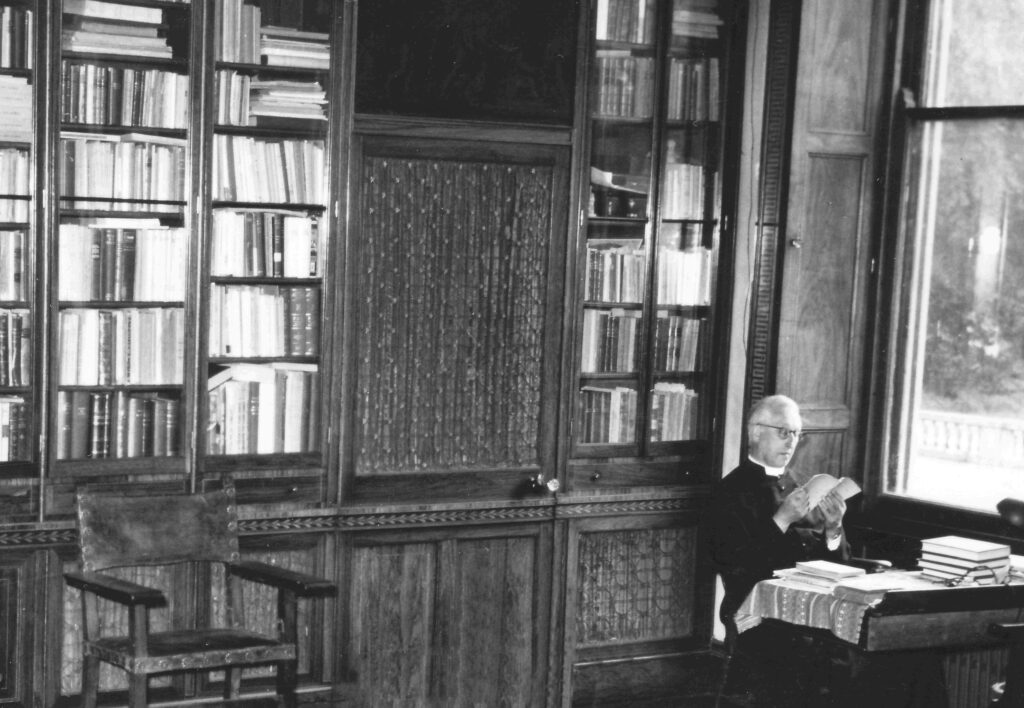
In between hospital stays, he stays at Fawley Court and travels to Bournemouth, among other places, for recuperation. He writes to friends about his condition:
I lie down a lot and sleep shamefully - in the morning, after dinner and at night. I turn into a sleepy old man, indifferent to the things of this world - except for antiques, polonics, books, museums and shills of boys. Other than that, a corpse. To the Mother of God I strain every day - for Friends, for boys, for the Church, for Poland, for the sick and for sinners, that is, for myself again.
Na setną rocznicę stracenia Romualda Traugutta (1826-1864) przygotowuje w Londynie wystawę pamiątek z powstania styczniowego – owoc całego życia pasjonata i kolekcjonera. W 1964 r. leci do Szwajcarii – na leczenie i z wykładem o Marianie Langiewiczu (1827-1887), generale i dyktatorze powstania styczniowego.
On September 13, 1964, Rev. Joseph Jarzębowski dies in Herisau, Switzerland. He is buried in Fawley Court Park - the place he created and to which he dedicated the last years of his life. In 2012, his ashes were moved to the cemetery in Henley-on-Thames.
Asked once how he managed to accomplish so many initiatives, he simply replied:
Somehow it happened that God and good people helped